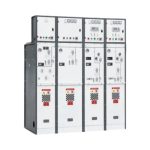
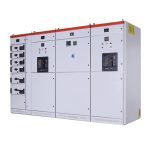
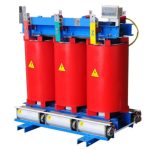
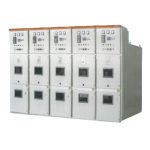

How to determine high-quality medium-voltage and low-voltage switchgear
When global buyers start purchasing medium voltage and low voltage switchgear for power grid projects, industrial parks, solar power stations and EV charging station power distribution systems, they will encounter a common confusing problem. Most electrical equipment manufacturers list piles of complex performance parameters, technical indexes, testing data and professional terminology on their product brochures. However, these professional electrical indicators such as short circuit breaking capacity, insulation level and temperature rise test results create high technical barriers for overseas purchasers. For most project managers, procurement engineers and contractors without deep rooted electrical knowledge, they cannot verify those complicated technical indicators in a short time during factory audits or on site product inspections.
Many low quality switchgear manufacturers deliberately exaggerate their product parameters on specification sheets. They claim their cabinets meet full IEC 61439 and GB/T11022 standards, while they cut corners on raw material selection and production craft to reduce production costs. If buyers only judge product quality by these written data, they will receive sub standard switchgear with hidden safety risks after mass delivery. Once unqualified cabinets are put into operation, problems like cabinet deformation, paint peeling, loose wiring, local over heating and short circuit faults will appear continuously, which will cause huge maintenance costs and project downtime losses for your power distribution projects in the long term run.
In view of this industry pain point, this guide shares three straightforward, visible and practical inspection standards. You do not need to understand complicated electrical theories or professional testing principles. You can quickly judge the manufacturing quality of high low voltage switchgear through external visible details when you visit manufacturers’ workshops or conduct on site acceptance checks. These practical checking points help overseas customers make reasonable judgments during factory reviews, product delivery inspection and project final acceptance, so you can avoid falling into traps set by dishonest suppliers.
1. Check SheetMetal Thickness of Switchgear Cabinet Frame
The cabinet body is the main load bearing skeleton for medium voltage and low voltage switchgear. The overall stability, shock resistance performance and long term structural durability completely depend on sheet metal plates. Internal electrical components including circuit breakers, current transformers, protection relays and bus bars are installed inside the cabinet. If the cabinet framework lacks sufficient mechanical strength, long term vibration during equipment operation will loosen internal wiring connections and metal fasteners, which will lead to over heating faults and even fire accidents in serious situations.
Formal and qualified manufacturers strictly follow industry wide manufacturing standards. The main frame of high quality MV LV switchgear must adopt steel plates with thickness no less than 2.0 mm. For internal partition plates, supporting brackets and auxiliary frames, the sheet metal thickness cannot be thinner than 1.5 mm. If you want to get accurate measured data, you can use a micrometer with a measuring range from 0 mm 25 mm and a precision of 0.001 mm to test plate thickness on site, which is the most reliable measuring method. If you do not bring professional measuring tools during factory visits, you can take a simple practical way to judge quality manually. Open and close the cabinet door repeatedly. High standard thick plate cabinets have solid overall weight. The cabinet door will not shake obviously and there is no visible deformation during repeated opening and closing operations. The whole cabinet stays stable even under slight external vibration.
In contrast, many low cost switchgear products use thin sheet steel plates with thickness only 1.2 mm, or even as thin as 0.8 mm to cut production costs. When you open cabinet doors of these inferior quality cabinets, obvious shaking and deflection can be observed directly. After 2 3 years of continuous running in factory substations or outdoor power distribution rooms, thin plate cabinets will gradually suffer from permanent deformation. The sprayed paint layer cracks and peels off, then the internal steel plates start to rust and corrode. The aging cabinet structure will affect the installation position of internal electrical components, shorten the overall service life of switchgear by half and bring potential safety hazards for your whole power supply system.
For special purpose switchgear used in coastal areas with heavy salt fog environment, top tier manufacturers will choose 304 or 316 grade stainless steel plates rather than ordinary cold rolled steel sheets. Stainless steel cabinets have stronger anti corrosion ability and adapt to high humidity and high chloride ion working conditions, which greatly prolong equipment service life for seaside projects. After you finish sheet metal inspection, you also need to check whether manufacturers adopt CNC laser cutting and bending equipment. Neat cutting edges without burrs are another sign of standardized production management.
2. Inspect PowderCoating Film Thickness and Spraying Craft
The powder coating layer acts as protective clothing for the whole switch gear cabinet. Its core functions include ultraviolet ray resistance, rust prevention, anti corrosion, dust protection and isolation from humid air. The quality of spray coating craft directly decides environmental adaptability and service life of your switch gear, especially for outdoor installed compact substations and ring main unit cabinets exposed to sunlight and rain all year round.
According to widely accepted industry wide standards for electrical equipment manufacturing, the dry film thickness of electrostatic powder coating for standard indoor type switch cabinets should steadily stay between 60 80 microns. For high end customized cabinets for outdoor projects, coastal areas and industrial mining sites, qualified manufacturers will increase the coating thickness above 130 microns, and select outdoor grade anti UV polyester powder. Besides proper film thickness, reliable factories must establish a complete quality inspection system. Every finished cabinet will go through strict appearance inspection, film thickness testing, salt spray aging test and coating adhesion test. Manufacturers should record detailed QC inspection data of each batch of products for later trace checking. If disputes occur during project acceptance, you can trace the whole production history through these quality control documents.
Most buyers only check the front surface of switch cabinets carelessly, while the weak parts such as cabinet corners, cutting openings, drilling holes and welding seams are always ignored. These positions are the high risk areas for paint missing, sagging paint and uneven film thickness in actual production processes. Unskilled workers often skip repeated spraying at edges and welding joints. Once the coating layer is too thin or partially missing, humid air and corrosive substances will invade steel plates from these weak points. Rust will spread gradually from inside out, destroying cabinet structure step by step.
When you carry out on site inspection, focus on these easy to ignore areas first. Run your fingers over welding seams and cutting edges to feel whether the surface is smooth without exposed metal. If you find uneven coating thickness or bare steel on cabinet corners, this manufacturer’s quality control management system is not strict enough, and their long term product quality cannot be guaranteed. High quality powder coated cabinets can pass 500 hour neutral salt spray testing without rust spots, which meets IEC anti corrosion requirements for global overseas projects.
3. Evaluate Internal SecondaryWiring Craft of Switchgear
Internal wiring layout is the most straightforward reflection of a manufacturer’s overall production management capacity. Neat wiring is not only about visual appearance, but also closely related to long term running safety of your whole power distribution system. Poor wiring craft will bring hidden dangers such as loose wire connections, abnormal temperature rise, short circuit faults and even electrical fires, which are the most frequent causes of power equipment accidents in many projects worldwide.
For high quality MV LV switchgear, the secondary control wiring is laid horizontally and vertically in order. All cables are arranged neatly without messy crossing. Every wire is attached with clear, correct and permanent cable markers, which display circuit numbers, loop codes and component matching information. The wiring reserve radian is reasonable, and cables are never stretched tight, twisted or bent excessively. When the cabinet vibrates during long time operation, properly reserved wire length prevents connection terminals from loosening caused by long term pulling force. Each cable terminal is crimped with standard wire lugs and fastened with torque controlled bolts according to IEC wiring specifications. Manufacturers will use torque wrenches instead of common hand held spanners to ensure proper fastening force. Excessively tight bolts will crack cable lugs, while loose terminals will cause over heating problems.
Standardized wiring brings two obvious benefits for project operation. First, orderly wire layout ensures stable equipment running state and greatly reduces hidden electrical faults. Second, when your equipment breaks down after several years of operation, maintenance engineers can quickly locate faulty circuits by checking clear cable labels, which shortens troubleshooting time and cuts later period operation and maintenance costs for your power distribution projects. On the contrary, if internal wires are tangled randomly, labels are missing or marked incorrectly, maintenance work will become extremely difficult. Some maintenance workers even have to take apart dozens of wires one by one to find fault points.
Apart from wiring layout checking, you should also ask manufacturers to provide QC PASSED certification, factory test reports and product qualification certificates. Formal factories will complete high voltage withstand testing, insulation resistance testing and whole cabinet power on testing before delivery. Never accept switch gear without complete factory inspection documents.
4.Final Remarks for Formal Project Acceptance
The three point visual checking method we mentioned above helps you make a quick preliminary judgment during factory visits and sample inspection phases. But for formal project completion acceptance and contract performance verification, you cannot only rely on visual based simple inspection. After cabinets arrive at your project site, you must check all items one by one according to standardized acceptance clauses and contract attached technical agreements.
You need to fill in official acceptance documents such as Sub section Engineering Quality Acceptance Record for Power Distribution Room Installation Projects. Verify factory test reports, IEC compliant type test certificates, component brand certificates, batch inspection records and complete project completion documents. If your project is a large scale grid connected project, you can invite third party testing organizations to carry out independent testing to confirm whether switch gear meets your local grid code requirements.
5.Conclusion
It is challenging for overseas buyers to verify complex internal parameters of medium voltage and low voltage switchgear within a short time. But sheet metal thickness, powder coating quality and secondary wiring craft are three visible and reliable judging standards. These external details fully reflect a manufacturer’s production equipment, staff proficiency and whole process quality control level. High quality switch gear with solid cabinet structure, anti corrosion coating and standardized wiring can run safely for more than 25 years, which matches the design life required by most global power distribution projects.