Why Coastal Power Equipment Needs Professional Anti-Corrosion Design
Learn why salt fog corrosion damages switchgear, transformers and RMU. Discover professional anti-corrosion solutions for coastal power distribution projects.
1. Harsh Coastal Environment Challenges for Global Power Distribution Infrastructure
2. How Salt Fog Damages Power Equipment — Corrosion Mechanism & Typical Failure Modes
2.1 Cabinet Shell Corrosion, Coating Blistering and Peeling
Ordinary carbon steel cabinets equipped with standard single-layer paint systems face progressive rust formation in coastal salt fog environments. Initial white rust appears on welding seams, cutting edges and mounting hole peripheries. White rust gradually evolves into red rust that expands underneath the paint film, triggering coating blistering, cracking and large-area peeling. Once the protective coating fails completely, corrosive media directly attack the structural steel substrate. In serious cases, cabinet plates develop rust penetration holes, destroying enclosure integrity and reducing mechanical structural strength. Welding joints are the highest-risk area: welding thermal stress creates material crystal changes, making seams significantly more vulnerable to chloride ion attack than base steel panels.
2.2 Oxidation of Metal Terminals & Busbars, Causing Poor Contact and Overheating
Copper terminals, cable lugs and main busbars are core current-carrying components. Salt fog penetrates connecting gaps and generates copper hydroxychloride corrosion products, commonly known as copper green. These corrosion deposits feature high electrical resistance. Under load current, contact resistance continuously rises, producing extra heat following the P=I²R principle. Rising operating temperature further accelerates oxidation in a vicious feedback loop. Local overheating can melt terminal connecting bolts, trigger arc discharge between conductors and ultimately create short-circuit hazards. In many coastal project accident records, unexplained distribution network faults trace back to untreated corrosion on busbar joints and cable terminals.
2.3 Internal Insulation Damp Degradation, Partial Discharge and Flashover Risks
Salt-containing condensed water settles on epoxy insulators, silicone rubber components and plastic insulating supports inside switchgear and ring main units. Salt contamination reduces insulation surface resistivity, creates conductive salt bridges between different phases and lowers creepage distance effectiveness. Long-term contamination leads to stable partial discharge activity. If operational voltage surges occur, surface flashover may develop, resulting in permanent insulation breakdown and phase-to-phase short circuits. Insulation aging caused by salt fog cannot be repaired on-site; damaged insulating components require complete disassembly and replacement, leading to extended power outages.
2.4 Operating Mechanism Corrosion and Mechanical Jamming
Vacuum circuit breakers, load break switches, earthing switches and isolators rely on precise spring-driven mechanical linkages. Salt fog invades hinge shafts, transmission connecting rods, spring components and bearing positions. Corrosion products increase friction between moving parts. After several years of accumulation, operating mechanisms suffer jamming, slow action speed or complete refusal to operate during fault conditions. In emergency grid failure scenarios, switchgear that cannot perform opening or closing actions directly eliminates fault isolation capacity, expanding accident impact scope. Mechanical corrosion defects represent one of the most dangerous hidden risks for unattended outdoor coastal distribution equipment.
2.5 Degradation of Sealing Components and Loss of Enclosure Tightness
Standard EPDM rubber sealing strips without anti-salt-fog formulation rapidly suffer accelerated aging under combined attack of salt mist, high humidity and strong ultraviolet radiation. Rubber hardens, loses elasticity and develops surface cracking. Cabinet door sealing gaps expand, enabling larger volumes of salt-laden humid air to continuously infiltrate the internal compartment. As sealing performance declines year by year, the whole equipment enters a worsening corrosion cycle that cannot be reversed through simple external cleaning.
2.6 Corrosion of Fasteners and Connection Hardware
3. Professional Anti-Corrosion Solutions for Coastal Electrical Equipment — Integrated Material, Coating & Structural Technology
Effective anti-salt-fog protection for power distribution equipment cannot rely on a single material upgrade or surface coating. Reliable long-term performance requires an integrated protection system consisting of substrate material selection, metal surface pre-treatment, multi-layer marine-grade coating systems, fully optimised sealing architecture, selective adoption of stainless steel critical components and optional internal climate control systems. Ningyu Power implements this comprehensive technical framework for all coastal customised switchgear, RMU, transformer and box substation orders, fully meeting C4 and C5-M ISO 12944 marine anti-corrosion standards.
3.1 Hot-Dip Galvanized Steel Structural Base Material
3.2 Multi-Layer Marine-Grade Anti-Salt-Fog Coating System
- Epoxy zinc-rich primer: Provides cathodic protection, improves adhesion between coating and metal substrate, blocks initial chloride penetration.
- Epoxy micaceous iron oxide intermediate coat: Dense shielding layer to slow diffusion of moisture and salt ions, serves as the primary anti-corrosion barrier.
- Aliphatic polyurethane topcoat or fluorocarbon topcoat: Delivers outstanding ultraviolet resistance, colour retention and weather stability. Prevents coating chalking and cracking under long-term tropical sunlight exposure.
3.3 Fully Sealed Cabinet Design with Optimised Waterproof and Moisture Blocking Architecture
- Multi-channel labyrinth waterproof structure on cabinet door edges, avoiding direct airflow penetration paths.
- High-density, anti-aging marine-grade EPDM double sealing strips. Ordinary indoor rubber seals degrade quickly in salt fog environments; specialised formulation rubber maintains elasticity over decades.
- Cable entry chambers equipped with sealed cable glands and blocking sealant to eliminate gaps around incoming cables.
- Optimised ventilation layout: if ventilation openings are required for heat dissipation, air intake and outlet positions install salt fog filter baffles to capture suspended salt particles and reduce salt deposition inside cabinets.
3.4 Stainless Steel for All Key Bolts, Hinges and Connecting Accessories
A common engineering oversight involves matching high-grade anti-corrosion cabinet shells with low-grade ordinary carbon steel fasteners. Fastener corrosion creates galvanic corrosion between dissimilar metals and becomes premature failure initiation points. All critical hardware for Ningyu Power coastal anti-corrosion equipment uniformly selects stainless steel: cabinet hinges, locking mechanisms, mounting bolts, earthing connections and cable clamp fittings. For C5-M tropical coastal projects, 316L stainless steel fasteners become standard configuration. This consistent material selection eliminates localised corrosion caused by mismatched metal combinations.
3.6 Site Matching Selection Guidance for Different Coastal Corrosion Grades
- C4 Medium-High Corrosion (General coastal zones, 3–10km from shoreline): Hot-dip galvanised plate + three-layer marine paint system + EPDM double sealing + 304 stainless steel fasteners
- C5-M Very High Marine Corrosion (Port areas, tidal zones, tropical Southeast Asian coast): Optional 316L stainless steel cabinet or thickened hot-dip galvanising + fluorocarbon topcoat + double sealing + 316L hardware + optional internal dehumidification
- CX Extreme Offshore Environment (Offshore wind platforms): Full 316L stainless steel construction, enhanced coating thickness, complete internal climate control system
4. Equipment Types That Require Mandatory Anti-Corrosion Customisation for Coastal Projects
Different power distribution equipment operates under varying installation conditions (indoor coastal substation buildings, fully outdoor exposed mounting, seaside rooftop locations, coastal charging station yards, solar farm open sites). The following equipment categories face direct salt fog exposure and cannot safely adopt standard inland specifications in coastal overseas projects:
4.1 Medium Voltage & Low Voltage Switchgear for Coastal Industrial Parks
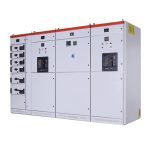
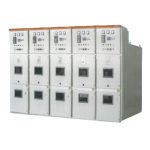
KYN28-12 MV switchgear, MNS/GCS LV switchgear frequently deployed in coastal chemical industrial zones, port processing parks and coastal manufacturing bases. Many industrial parks simultaneously face dual hazards: marine salt fog plus industrial waste gas pollution, creating superimposed corrosive conditions. Indoor installed switchgear still needs anti-corrosion upgrading because coastal factory buildings cannot fully block salt-laden airflow infiltration. Outdoor installed switchgear demands maximum level C5-M anti-corrosion customisation. Corroded switchgear creates major safety risks for continuous production of industrial enterprises.
4.2 Outdoor Ring Main Units (RMU)
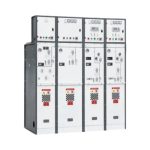
Ring main units are widely applied for urban coastal distribution networks, residential coastal communities and branch power supply for shore infrastructure. Most RMU installations are fully exposed outdoors without additional shelter. Standard inland RMU products quickly suffer operating mechanism jamming and terminal corrosion. Anti-corrosion RMU solutions from Ningyu Power cover air-insulated RMU and SF6 gas insulated RMU, with complete enclosure anti-corrosion treatment plus reinforced protection for internal switch operating assemblies.
4.3 Distribution Transformers for Seaside Solar Farms & Coastal Wind Power Auxiliary Systems
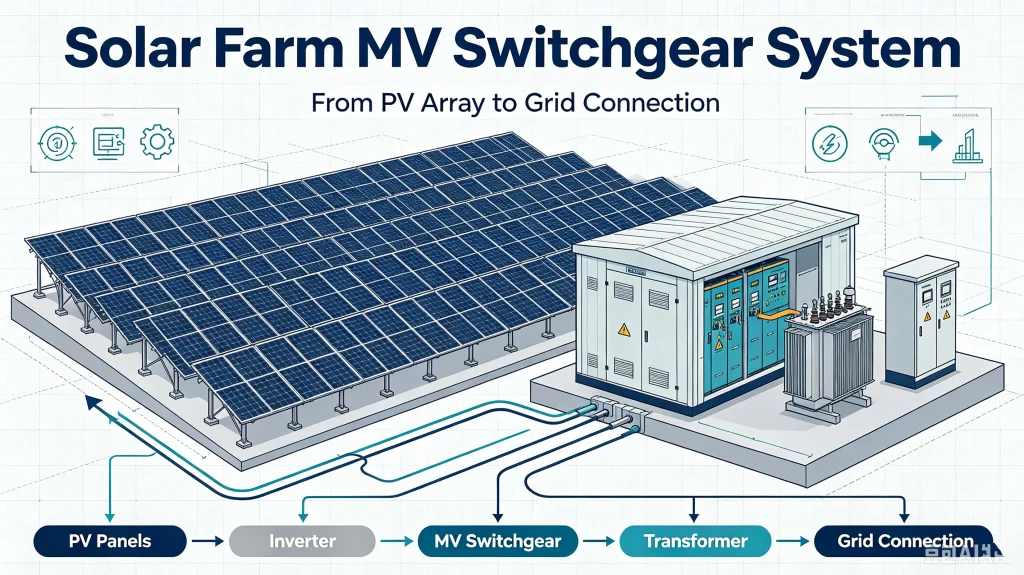
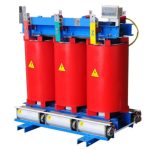
Onshore coastal photovoltaic stations and shore-based wind farms deploy large quantities of outdoor distribution transformers. Transformer tank corrosion causes hidden risks of oil leakage. Corrosion on radiator surfaces reduces heat dissipation efficiency and forces transformer derated operation. Coastal transformers require reinforced tank anti-corrosion coatings, stainless steel valve fittings, anti-corrosion lifting lugs and sealed terminal boxes to avoid salt fog attacking high-voltage and low-voltage bushings.
4.4 Compact Box Substations for Coastal EV Charging Stations and Seaside Tourism Infrastructure
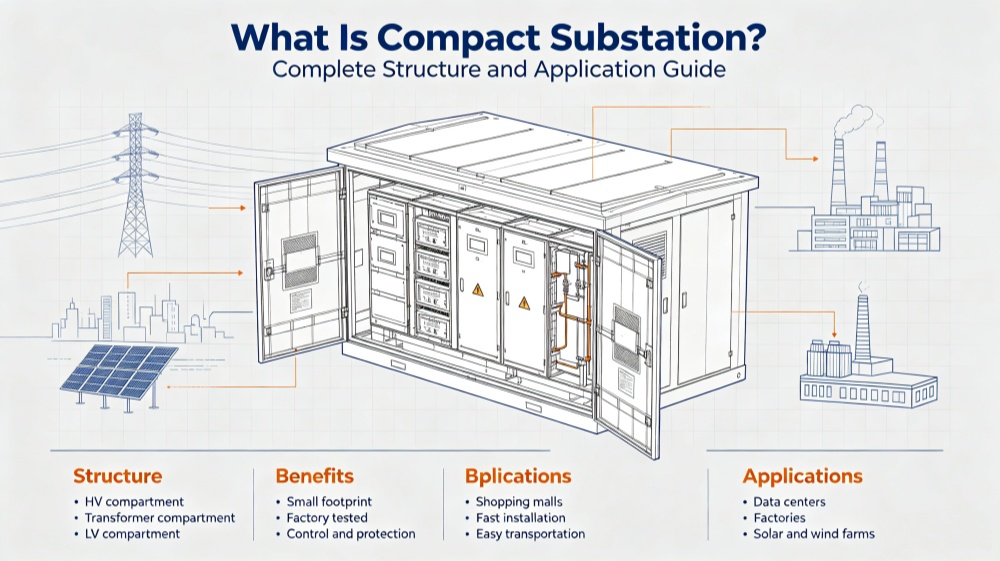
Coastal highway charging stations, waterfront tourist area charging networks and coastal new energy microgrids extensively utilise compact box-type substations. These units are installed in open-air public zones with long unattended operation cycles. Once corrosion faults occur, charging service interruption directly affects user experience and operator revenue. Anti-corrosion box substation design integrates high-voltage compartment, transformer compartment and low-voltage compartment unified protection standards, preventing cross-compartment corrosion spread.
4.5 Auxiliary Distribution Panels, Cable Branch Boxes and Junction Cabinets
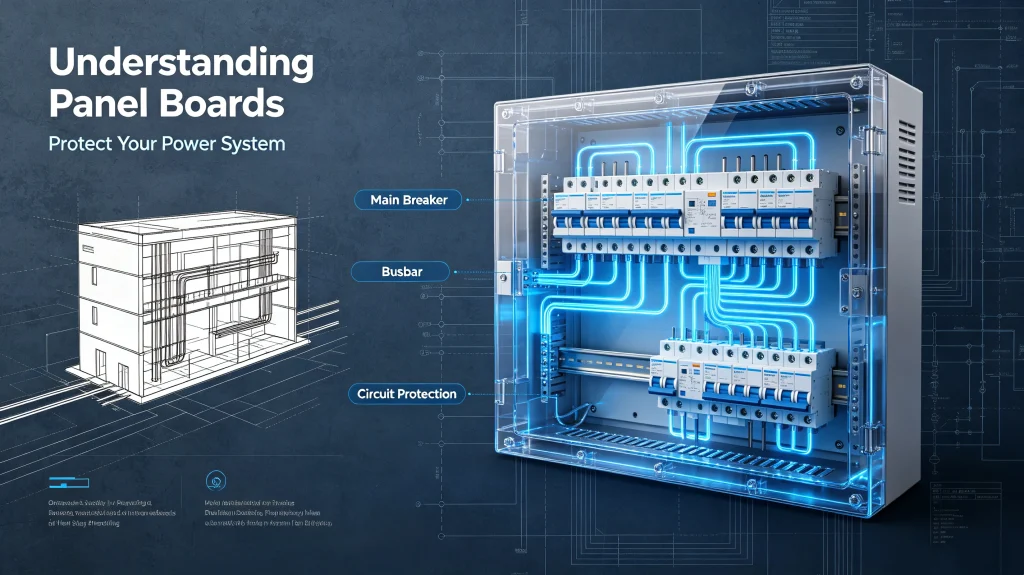
Often overlooked in engineering procurement: outdoor cable branch boxes, metering panels and auxiliary control cabinets. These small distribution facilities are scattered widely across coastal project sites. Procurement teams frequently select low-cost standard cabinets, which become the first equipment group to experience rust failure. Consistent anti-corrosion specifications must be applied across all outdoor electrical equipment within a coastal power system to avoid weak links compromising overall grid reliability.
5. Long-Term Economic Benefits of Anti-Corrosion Customisation — Whole Lifecycle Cost Analysis
5.1 Greatly Reduced Equipment Replacement Capital Expenditure
Large-scale replacement of medium voltage switchgear, ring main units and distribution transformers requires enormous capital investment. Delaying complete renewal by 10+ years defers massive one-time capital outlay. For investors executing multi-phase coastal energy projects, extended equipment service life optimises long-term capital planning and improves project internal rate of return (IRR).
5.2 Significant Cut in Regular Maintenance Labour & Material Expenses
Equipment without anti-corrosion treatment demands frequent quarterly inspection, surface cleaning, rust removal and partial coating repair. Maintenance teams must deploy specialised anti-rust materials, and labour costs remain high year-round. Anti-corrosion optimised equipment extends routine maintenance intervals and eliminates repeated rust remediation work. For remote coastal sites in Southeast Asia, the Middle East and Africa, travel and logistics costs for maintenance crews constitute heavy expenditure that anti-corrosion design directly minimises.Equipment without anti-corrosion treatment demands frequent quarterly inspection, surface cleaning, rust removal and partial coating repair. Maintenance teams must deploy specialised anti-rust materials, and labour costs remain high year-round. Anti-corrosion optimised equipment extends routine maintenance intervals and eliminates repeated rust remediation work. For remote coastal sites in Southeast Asia, the Middle East and Africa, travel and logistics costs for maintenance crews constitute heavy expenditure that anti-corrosion design directly minimises.
5.3 Avoid Massive Economic Losses Caused by Unplanned Project Downtime
Corrosion-triggered equipment faults lead to unplanned power outages. For coastal industrial parks, port logistics terminals and seaside photovoltaic power stations, every hour of power shutdown creates direct revenue losses. In power purchase agreements between independent power producers and grid operators, unexpected outages often trigger contractual liquidated damages. The value of avoiding these penalty costs frequently exceeds the incremental anti-corrosion investment many times over.
5.4 Lower Risk of Secondary Damage and Safety Accident Compensation
Severe corrosion faults may cause short circuits, equipment fire and site safety incidents. Beyond equipment repair costs, asset owners face potential third-party compensation claims, project shutdown investigations and reputational damage. Anti-corrosion engineering eliminates most corrosion-originated electrical hazards and reduces enterprise safety management risks.
5.5 Improved Asset Residual Value at End-of-Life
6. Common Pitfalls in Coastal Power Equipment Anti-Corrosion Procurement & Engineering Implementation
Based on extensive overseas project communication experience, we summarise frequent mistakes made by purchasers and engineering teams when specifying coastal anti-corrosion electrical equipment, helping clients avoid technical and financial risks:
Pitfall 1: Confusing IP waterproof rating with anti-corrosion performance
As emphasised previously, IP protection addresses dust and liquid water resistance and contains zero salt fog corrosion testing requirements. Many suppliers market ordinary IP54 cabinets as “coastal suitable” without genuine anti-corrosion material and coating upgrades. Purchasers must explicitly specify ISO 12944 corrosivity grade requirements in tender documents instead of relying purely on IP codes.
Pitfall 2: Only upgrading outer cabinet surface protection while ignoring internal components
Some manufacturers simply apply thicker exterior paint to standard inland equipment and label it coastal anti-corrosion gear. Internal mechanisms, busbars, fasteners and sealing materials still adopt ordinary inland specifications. Salt fog penetrates cabinet gaps and corrodes internal core parts, triggering hidden failures despite good external appearance. A qualified anti-corrosion scheme must cover the complete equipment from outer shell down to tiny internal hardware.
Pitfall 3: Mismatched metal materials causing galvanic corrosion
Mixing ordinary carbon steel structures with stainless steel fasteners without proper isolation measures creates dissimilar metal contact. In salt fog electrolyte environments, galvanic corrosion accelerates rusting of carbon steel components. Professional suppliers coordinate material matching throughout the whole equipment to avoid this defect.
Pitfall 4: Simplifying coating systems and cutting dry film thickness
To reduce production costs, some manufacturers replace three-layer marine-grade coating systems with single-layer polyurethane paint and reduce total film thickness below 200μm. Such simplified coatings fail within several years under C5-M tropical coastal salt fog. Tender technical specifications should clearly define coating structure, raw material type and minimum dry film thickness with third-party testing acceptance clauses.
Pitfall 5: Ignoring on-site installation auxiliary anti-corrosion measures
Even factory-qualified anti-corrosion equipment requires correct site handling. Construction teams must avoid damaging protective coatings during transportation and installation. Scratches created on-site need timely professional touch-up treatment. Equipment foundation design should prevent tidal water splashing and prolonged saltwater contact at the cabinet base. Good factory anti-corrosion performance can be compromised by careless site construction management.
Pitfall 6: Uniformly applying identical anti-corrosion specifications across an entire project
A single coastal project may contain zones with different corrosion intensity: areas several kilometres inland experience C4 conditions, while waterfront dock areas belong to C5-M. Blindly selecting the highest-grade anti-corrosion scheme for all equipment creates unnecessary cost waste. Rational engineering practice divides the project into corrosion zones and implements graded targeted specification matching.
7. Conclusion
How many service years can anti-corrosion coastal power equipment achieve?
With proper C4 grade anti-corrosion configuration, equipment reliably operates 20+ years; C5-M full anti-corrosion customisation supports stable operation exceeding 25 years under tropical coastal salt fog environments, provided routine basic maintenance is implemented.
What is the difference between hot-dip galvanised and stainless steel cabinets for coastal projects?
Hot-dip galvanised cabinets with multi-layer marine coatings deliver balanced cost and performance for general C4 coastal regions. 316L stainless steel cabinets offer superior chloride resistance for port, tidal and C5-M tropical zones but carry higher upfront procurement costs. Our engineers assist clients to select the optimal solution according to project budget and environment.
Can IP65 equipment directly be used in coastal salt fog areas without anti-corrosion upgrading?
No. IP65 only prevents water and dust ingress. It does not resist electrochemical corrosion caused by chloride ions. Ordinary IP65 cabinets without anti-corrosion material treatment will still suffer rust and internal component oxidation in coastal salt fog conditions.
Does anti-corrosion RMU require different internal switch structure modifications?
Yes. Beyond enclosure protection, operating linkages, springs, terminals and sealing elements inside outdoor RMU receive dedicated anti-corrosion optimisation to avoid mechanical jamming and contact oxidation after years of salt fog exposure.
Are anti-corrosion power products from Ningyu Power available for overseas EPC tender projects?
Absolutely. Ningyu Power supplies fully customisable anti-salt-fog power distribution equipment compliant with IEC international standards. We support third-party laboratory salt fog testing and can provide all documentation required for overseas project tender acceptance.