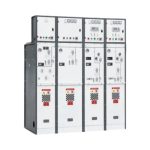
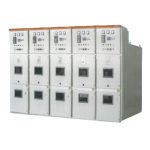

Common RMU Fault Causes and Daily Maintenance Tips
1. Why Regular RMU Maintenance Is Necessary Ring Main Units run continuously year‑round for urban power‑grid, commercial buildings and EV‑charging‑station projects. Even high‑quality IEC‑certified RMU will gradually age after long‑time operation. Without regular inspection and maintenance, hidden faults may trigger power‑supply breakdown, which brings heavy losses for your projects.
Many project managers ignore daily inspections because SF6‑RMU has long maintenance cycles. However, external environmental factors such as high humidity, dust and vibration still create potential risks. This article analyzes typical RMU failures and gives practical maintenance plans for both SF6‑insulated and air‑insulated ring‑main‑units.
2. Common RMU Faults and Root Causes
2.1 SF6 gas leakage (Main problem for SF6‑RMU)
Reasons for gas leakage: Long‑term vibration, aging of sealing gaskets, poor welding quality during production. If SF6 gas density drops below the safety value, insulation performance will decrease and internal arc faults will occur.
Symptoms: The built‑in density‑alarm device will send out warning signals.
2.2 Over‑heating of connecting terminals
Loose wiring terminals is a common fault for both SF6‑RMU and air‑insulated RMU. When the connecting bolts become loose after long‑time current passing, contact resistance rises rapidly and creates high heat. In serious cases it will burn out internal components. High‑temperature and humid environments speed up this problem.
2.3 Insulation degradation for air‑insulated RMU
For air‑insulated ring‑main‑units, dust accumulation, moisture and even small insects inside the cabinet reduce insulation performance and lead to flash‑over faults. This issue frequently appears in coastal areas with heavy salt‑fog weather.
2.4 Protection‑relay false‑tripping
Improper parameter settings of protection relays or unstable control‑circuit power supply will cause false tripping, which cuts off power without actual circuit faults.
3. Daily Maintenance Suggestions
3.1 Maintenance schedule for SF6‑Insulated RMU
1. Short‑term inspection (every 1‑2 years): Check SF6 density value, inspect cabinet surface for rust, check whether alarm devices work normally;
2. Comprehensive maintenance (every 8‑10 years): Open the cabinet, examine internal switches, replace aging sealing parts and test insulation performance.
> Important Tip: Do not open the sealed tank by yourself. Professional electrical engineers must finish this work.
3.2 Maintenance plan for air‑insulated RMU
1. Quarterly visual inspection: Clean dust on cabinet surfaces and check cabinet door seals;
2. Annual deep maintenance: Tighten connecting bolts, clean dust inside cabinets, test insulation resistance value with professional testing equipment;
3. Replace aged internal components every 15‑20 years.
4. Long‑term Usage Suggestions to Reduce Failures
1. Keep the RMU installation room dry and well‑ventilated; avoid placing RMU under direct sunlight;
2. Choose RMU with anti‑corrosion treatment if your project is near the sea;
3. Purchase RMU with high‑quality internal components. Cheap low‑standard RMU has a much higher failure rate in later‑stage operation.
When you buy RMU products from Ningyu Power, we provide detailed maintenance manuals and after‑sales guidance. Our spare‑parts supply is available for clients all over the world.
5. Conclusion
Timely maintenance greatly extends RMU service life and reduces unexpected power‑failure risks. SF6‑RMU and air‑insulated RMU have different maintenance cycles and inspection focuses. If you want high‑quality RMU products or professional maintenance‑related technical support, feel free to contact Ningyu Power’s engineering team.