
SF6‑Insulated RMU vs Air‑Insulated RMU: Full Comparison Guide
1. Brief Introduction of Ring Main Unit (RMU) Ring Main Unit (RMU) is compact medium‑voltage equipment designed for 11kV‑33kV power‑distribution systems. It is widely used in urban power grids, commercial buildings, industrial parks and EV‑charging stations. RMU divides power lines into several loops to improve power‑supply reliability.
Currently there are two mainstream types in the global market: SF6 gas‑insulated RMU and air‑insulated RMU (AIS‑RMU). Many buyers feel confused about which type to pick for their projects. This article will break down their differences in detail.
2. Core Differences Between SF6‑RMU and Air‑Insulated RMU
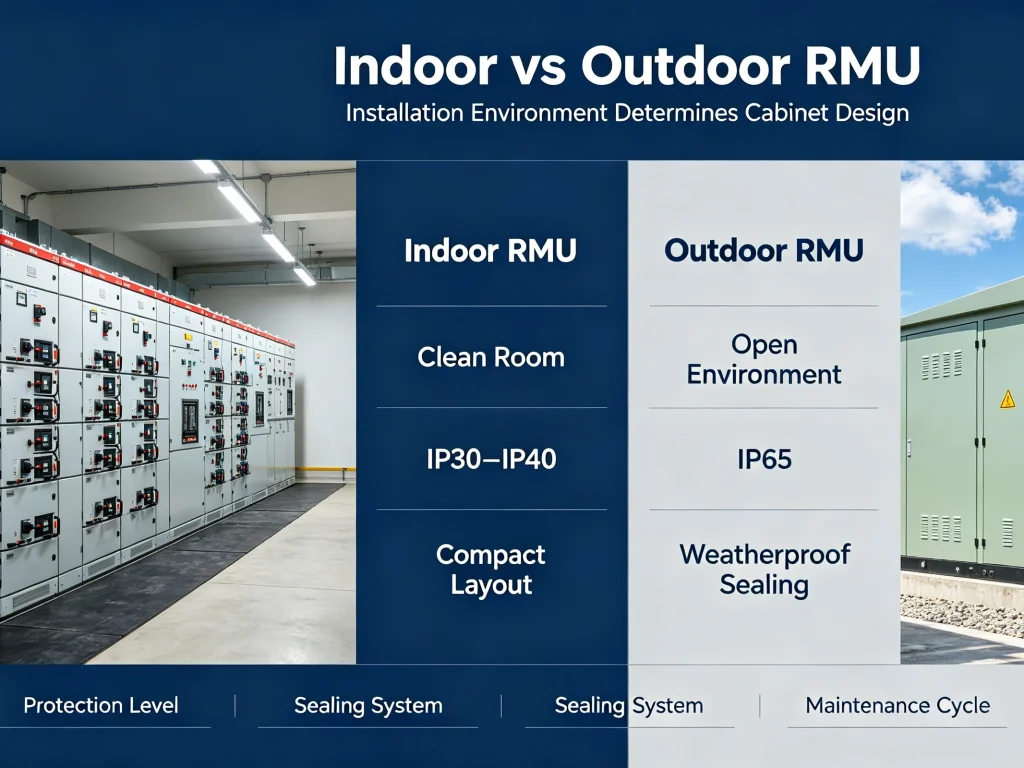
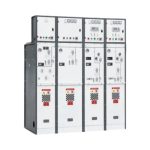
2.1 Cabinet Size SF6‑insulated RMU puts all live components inside a sealed metal tank filled with SF6 insulating gas. It greatly reduces the overall cabinet size. SF6‑RMU only occupies around 40%‑50% space compared with air‑insulated types. It becomes the top choice for crowded city‑center substations.
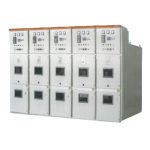
Air‑insulated RMU uses air as insulation medium. It needs enough clearance between live parts, so the cabinet will be much bigger. It fits projects with enough installation space.
2.2 Maintenance Cycle and Costs
– SF6‑Insulated RMU: The fully‑sealed structure protects internal parts from dust, moisture and salt fog. It only needs inspection every 8‑10 years with nearly zero maintenance during this period. But if gas leakage occurs, repair costs will be relatively high.
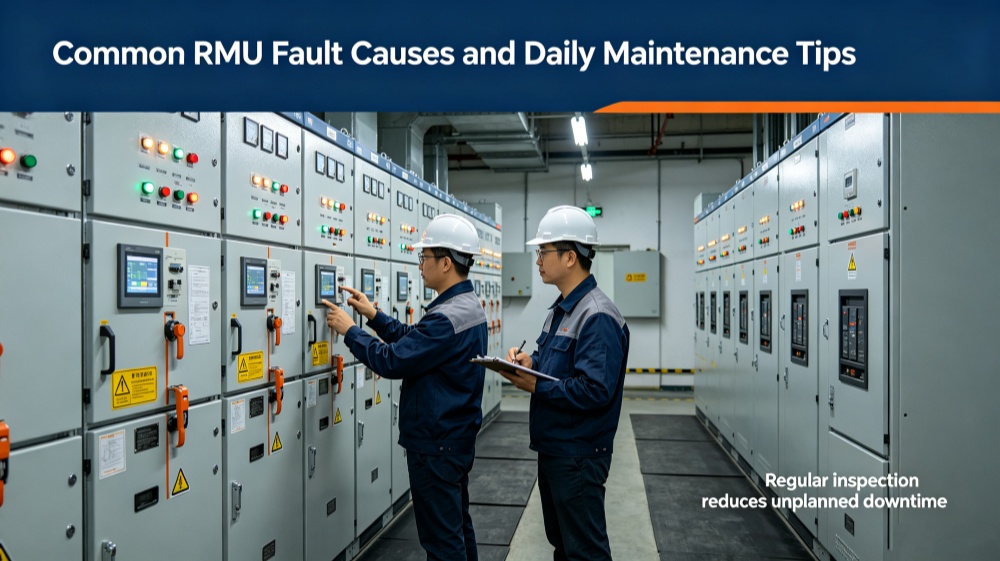
– Air‑Insulated RMU: You need to clean dust and check connecting terminals every 1‑2 years. Regular maintenance work takes more time and labor costs, yet spare‑part prices are cheaper.
2.3 Service Life
High‑quality SF6‑RMU can run safely for 30 years. For air‑insulated ring‑main‑units, its lifespan is about 20‑25 years under normal operating conditions.
2.4 Environmental Concerns
SF6 is a potent greenhouse gas. Some European countries start to restrict over‑use of SF6‑based electrical equipment. If your projects are inside EU countries, you need to take this policy factor into consideration. Air‑insulated RMU has no such environmental risks.
3. Suitable Application Scenarios
3.1 Choose SF6‑Insulated RMU if:
1. Your project site has limited installation space such as downtown buildings and underground substations;
2. The environment is harsh with heavy dust, salt mist or high humidity;
3. You hope to cut long‑term maintenance work.
3.2 Choose Air‑Insulated RMU if:
1. Your project is located in common industrial parks with sufficient room;
2. Your local government carries out strict carbon‑emission policies;
3. Your budget for initial‑stage purchase is limited.
4. OEM Customization Options for RMU from Chinese Factories
Most overseas clients do not just buy standard RMU products. Ningyu Power can provide these custom‑made services:
1. Configure circuit‑breaker or load‑switch according to your local grid requirements;
2. Add intelligent sensors for remote data monitoring;
3. Design compact‑structure RMU for EV‑charging‑station distribution systems.
5. Conclusion
There is no absolute better option between SF6‑RMU and air‑insulated RMU. Your project space, local policies, budget and long‑term maintenance plans decide your final choice. If you need detailed RMU parameter sheets or customized design plans, contact Ningyu Power’s engineering team for professional support.