How to Avoid Overheating Faults in Distribution Transformers
1. Hazards of Transformer Overheating
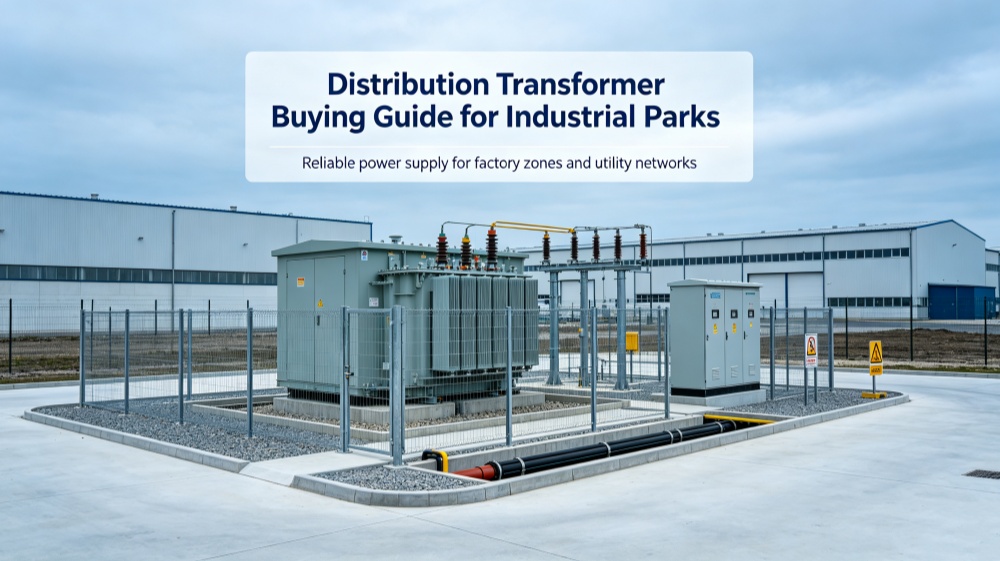
Overheating is one of the most common and harmful faults of distribution transformers. Long-term overheating will accelerate insulation aging, reduce transformer service life, cause frequent tripping, and even lead to equipment burnout and fire accidents in severe cases. Effective prevention and control of overheating is the key to stable transformer operation.
2. Main Causes of Transformer Overheating
Long-term overload operation: Excessive load exceeds transformer rated capacity, resulting in continuous temperature rise.
Poor heat dissipation condition: Outdoor high temperature, blocked ventilation, dust accumulation and sun exposure will seriously affect heat dissipation efficiency.
Unbalanced three-phase load: Unbalanced current leads to local overheating of coil.
Aging internal insulation and local short circuit: Increased loss causes abnormal heat generation.
Poor contact of connecting terminals: Loose wiring causes contact resistance increase and local high temperature.
3. Effective Overheating Prevention Measures
Reasonable capacity matching: Reserve 20%-30% spare capacity during design to avoid long-term full load or overload operation.
Improve installation environment: Avoid direct sunlight, keep ventilation smooth, clean dust regularly, and install heat dissipation equipment in high-temperature areas.
Regular three-phase current detection: Adjust load distribution to ensure three-phase balance.
Regular terminal inspection and fastening: Prevent poor contact heating caused by long-term vibration.
4. Intelligent Temperature Monitoring Solution
Ningyu Power can configure intelligent temperature sensors and remote monitoring modules for transformers. The system can monitor real-time temperature data, automatically trigger over-temperature alarm, and effectively avoid hidden dangers caused by untimely manual inspection.
5. Daily Operation Suggestions
In high-temperature seasons, appropriately reduce transformer load peak value, strengthen equipment inspection frequency, and timely replace aging insulating parts and sealing accessories. Scientific daily management can greatly reduce overheating failure rate.
6. Conclusion
Most transformer overheating faults are caused by unreasonable design, improper use and insufficient maintenance. Through scientific capacity selection, standardized installation and intelligent monitoring, the overheating risk can be effectively controlled. If you need high-quality distribution transformers and professional operation guidance, contact Ningyu Power for reliable power equipment solutions.