How to Select Medium‑Voltage Switchgear for Solar Farm Projects
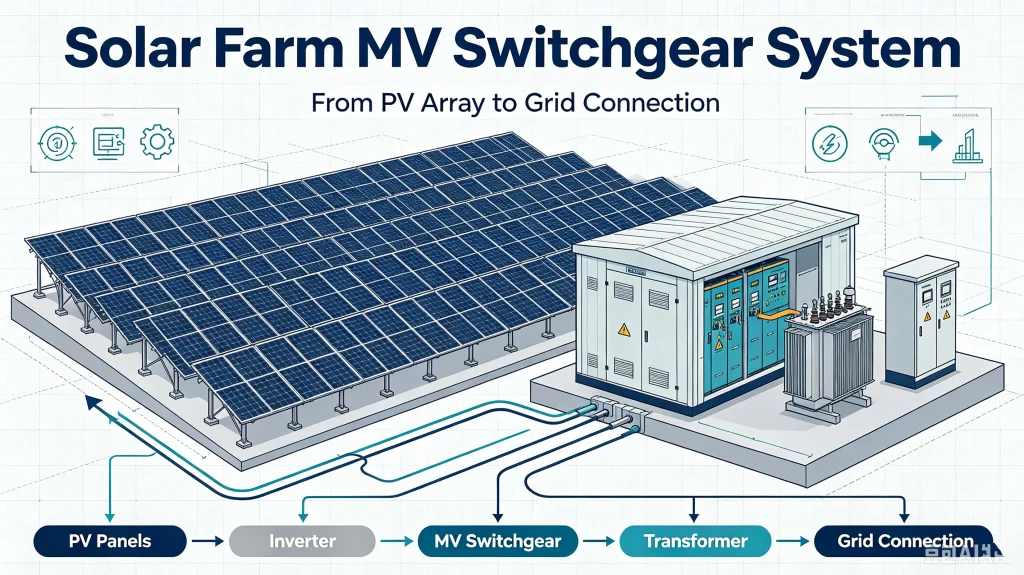
1. Why MV Switchgear Plays a Vital Role in Solar‑Power Plants Solar power stations rely heavily on medium‑voltage (MV) switchgear to control power transmission from solar inverters to central transformers and then to the public grid. Poor‑quality switchgear may cause unexpected shutdown, equipment burnout and huge economic losses. Most solar projects around the world follow IEC‑62271 standards, which sets strict requirements for insulation level, short‑circuit‑withstand capacity and environmental adaptability.
Many project developers tend to choose low‑cost switchgear without checking rated parameters. It leads to frequent maintenance after the project runs for 2‑3 years. Therefore, proper selection of medium‑voltage switchgear becomes a key step before construction.
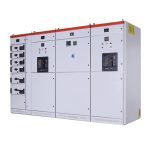
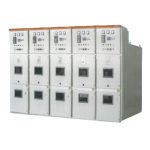
1.1 Common working‑voltage levels for solar‑farm switchgear 12kV, 24kV and 33kV are widely used for global solar‑power projects. 12‑kV KYN28‑12 type switchgear is the most‑popular indoor‑type solution for medium‑sized solar parks, while 33‑kV switchgear is applied for large‑scale ground‑mount solar farms.
2. Key Technical Parameters You Must Confirm
2.1 Short‑circuit breaking capacity Short‑circuit current is the most important factor. For most solar‑park projects, 25kA‑31.5kA rated short‑circuit resistance is the mainstream choice. If your project is built close to the main power grid, you have to choose a higher‑level 31.5kA switchgear.
2.2 Indoor‑type vs Outdoor‑type switchgear Indoor‑type KYN28‑12 switchgear is installed inside power‑distribution rooms with stable temperature and low dust. It has lower overall costs and easier maintenance. Outdoor‑packaged switchgear is integrated with compact substations, suitable for harsh outdoor conditions with high‑temperature, dust or heavy rain.
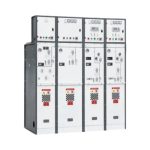
2.3 Insulation materials Epoxy resin insulation and SF6 gas insulation are two mainstream options. Epoxy‑insulated switchgear takes less maintenance work, while SF6‑filled switchgear has a smaller footprint for limited‑space sites.
3. Custom‑demands from Global Solar‑Project Clients
Overseas clients often put forward personalized requirements when purchasing MV switchgear:
1. Anti‑corrosion design for coastal areas with high humidity and salt fog;
2. Local‑language control panel and protection relays compatible with European brands like Schneider and ABB;
3. Remote‑monitoring function to view real‑time running‑data online.
Chinese OEM manufacturers such as Ningyu Power can adjust internal components and cabinet structures to match project‑specific requirements instead of only offering standard models.
4. Mistakes You Need to Avoid When Purchasing
– Blindly pursue low‑price products without IEC certification;
– Ignore future power‑expansion needs; you should reserve spare switch‑cabinets for later capacity‑increase;
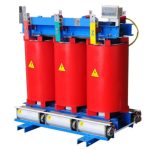
– Fail to match switchgear parameters with distribution transformers.
5. Final Words
Selecting suitable medium‑voltage switchgear requires full consideration of voltage class, short‑circuit rating, local climate and grid‑code rules. If you are searching for reliable IEC‑approved switchgear for your solar‑farm project, Ningyu Power provides professional OEM‑ODM solutions and factory‑direct prices. Contact us to get detailed technical datasheets now.